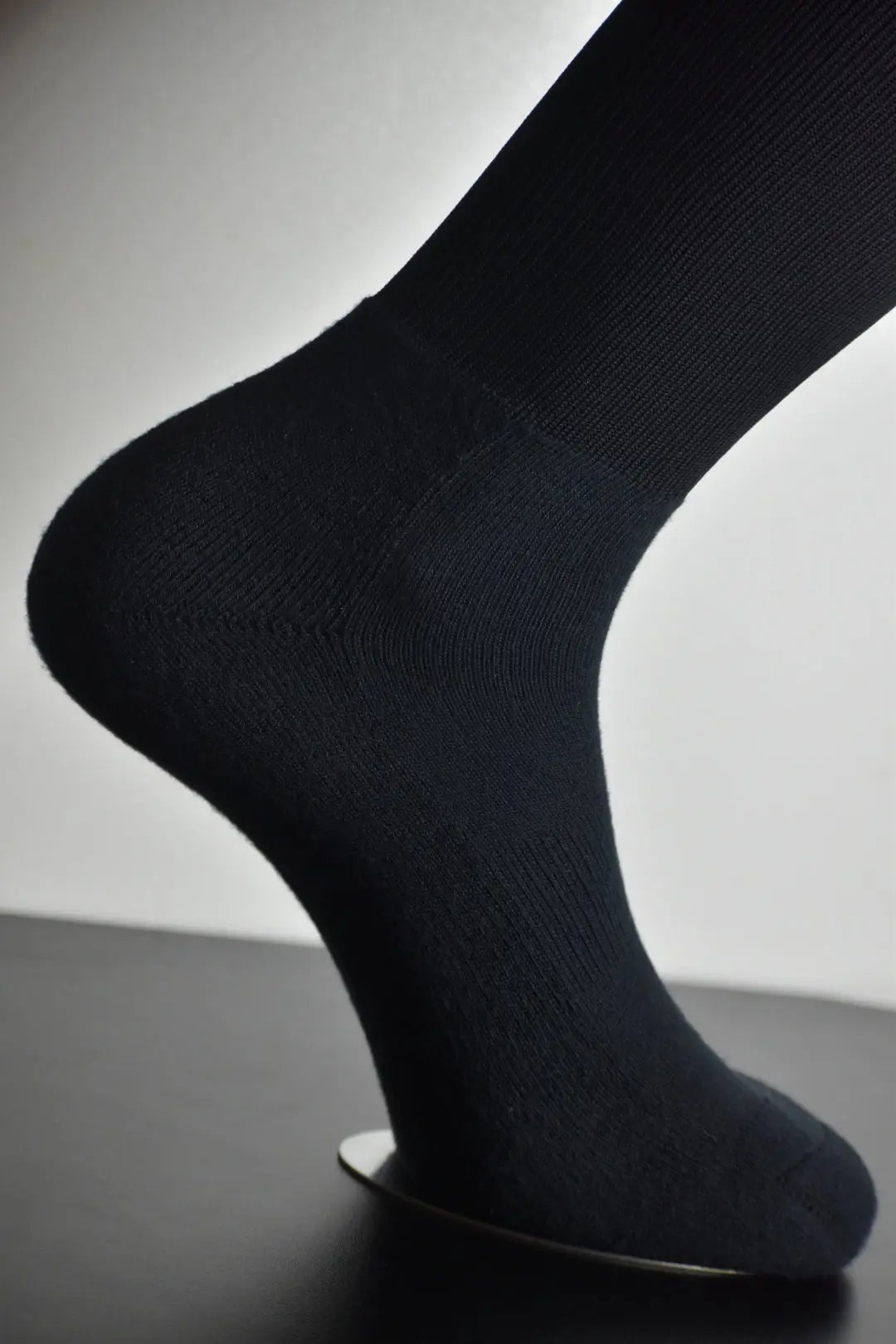

Article: Best Football Training Socks for Cold Weather
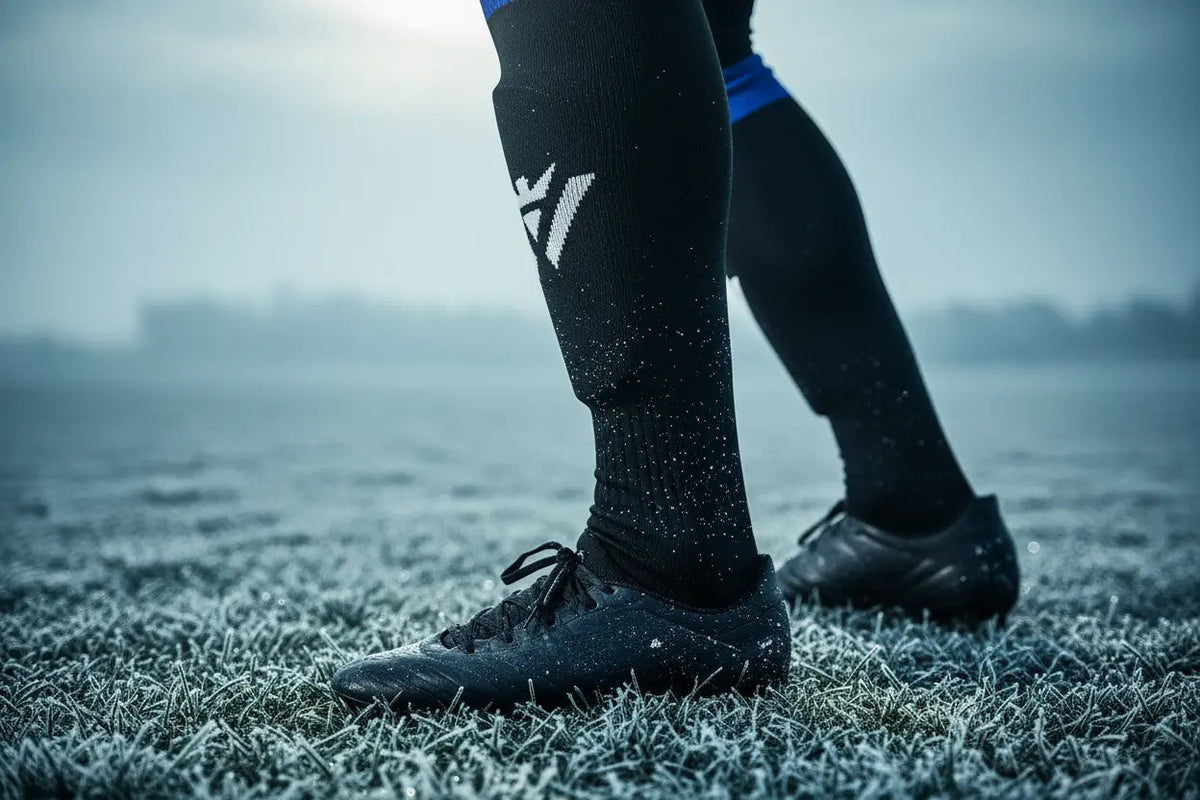
Best Football Training Socks for Cold Weather
Cold-weather training is a different game. The ground feels harder, muscles take longer to warm up, and the wrong gear can turn a productive session into an uncomfortable one. While boots and base layers usually get the most attention, choosing the best football training socks can make a noticeable difference to warmth, comfort, grip, and overall performance.
Your socks form the layer between your feet and football boots. If they are too thin, your feet may feel cold. If they are too thick, your boots can feel tight and restrictive. The ideal cold-weather football socks provide cushioning, moisture management, targeted support, and a secure fit without adding unnecessary bulk.
What Cold Weather Does to Your Feet
When temperatures drop, your feet are often among the first parts of your body to feel uncomfortable. Cold conditions can make the pitch harder, reduce flexibility, and increase the importance of a proper warm-up.
A thin or poorly constructed sock offers limited protection between your feet, football boots, and the cold ground. However, simply wearing the thickest socks available is not always the best solution. Excessive material inside your boots can create pressure points, reduce ball feel, and cause unwanted friction.
The goal is to find football training socks that balance warmth with breathability and performance.
Why Regular Socks Are Not Enough
Everyday socks are designed for casual comfort, not repeated sprinting, sharp turns, tackles, and rapid changes of direction. They can bunch up inside football boots, absorb too much moisture, or slip down during training.
Performance football socks are constructed to stay securely in position. Reinforced zones provide durability, while breathable fibers help manage moisture during high-intensity sessions.
For winter training, these features become even more important because moisture trapped against the skin can quickly make your feet feel cold.
What to Look for in Cold-Weather Football Socks
The best football training socks should provide more than basic coverage. Look for a balanced combination of cushioning, moisture management, compression, grip, and durability.
Cushioned Footbed
A cushioned sole creates a comfortable barrier between your foot and the cold ground. It can also help reduce friction during running, jumping, and quick changes of direction.
Cushioning should feel supportive without making your football boots too tight. A strategically padded footbed is usually more effective than adding unnecessary thickness throughout the entire sock.
Moisture Management
Your feet continue to sweat during cold-weather exercise. If that moisture stays trapped, it can make your socks feel wet and cause your feet to cool down quickly.
Moisture-wicking performance fibers help move sweat away from the skin, supporting a drier and more comfortable environment inside your football boots.
Secure Compression
A secure fit helps prevent socks from slipping, bunching, or folding during movement. Supportive compression around the calf can keep the sock locked in place without feeling overly restrictive.
The sock should feel snug but comfortable. If it leaves deep marks, causes discomfort, or restricts movement, the fit may be too tight.
Breathability
Warmth is important, but overheating can also create discomfort. Breathable football socks allow excess heat and moisture to escape during intense drills.
This balance is especially useful during interval training, where players alternate between high-intensity movement and lower-intensity recovery periods.
Reinforced Construction
Cold-weather pitches can be demanding on equipment. Reinforced heels, toes, and footbeds help football training socks withstand regular sessions on grass, turf, and indoor surfaces.
Strong stitching and shape-retaining materials also prevent the socks from stretching or becoming loose after repeated washing.
Best Materials for Winter Football Socks
Material affects warmth, softness, moisture control, and durability. Different players may prefer different blends depending on training intensity and personal comfort.
Cotton Blends
Cotton provides natural softness and cushioning. A high-cotton footbed can feel comfortable during longer sessions and may help reduce irritation caused by friction.
However, 100% cotton socks can hold moisture. A hybrid construction that combines cotton in the foot zone with performance fibers around the calf provides a better balance of comfort, structure, and ventilation.
Coolmax® Performance Fibers
Coolmax® fibers are designed to move moisture away from the skin. They are a strong option for players who train at high intensity, even in cold conditions.
Players who naturally run warm may prefer lightweight moisture-wicking socks instead of heavily insulated designs. Staying dry can be just as important as adding warmth.
Nylon and Performance Fibers
Nylon and similar performance fibers provide stretch, durability, and shape retention. These materials help socks remain secure around the calf and prevent them from becoming loose during training.
When combined with a comfortable footbed, they create a versatile football sock suitable for regular training and matches.
How Thickness Affects Your Football Boots
Thicker socks are not automatically warmer or better. Football boots are designed with a limited amount of internal space, so adding too much sock material can affect the fit.
A sock that is excessively thick may:
-
Create pressure around the toes
-
Reduce natural movement
-
Limit ball control and touch
-
Increase friction
-
Make boots feel smaller
-
Cause discomfort during longer sessions
Choose a sock that adds cushioning in key areas while maintaining a streamlined fit inside your football boots.
Grip and Stability During Training
A secure sock can help reduce unnecessary movement inside the boot. The best grip socks support a stable feel during acceleration, stopping, and changes of direction.
A good fit around the heel and midfoot can help with preventing feet from sliding. Some designs also use targeted heel grips or structured support zones to provide additional stability.
Football grip socks should offer lots of grip without feeling stiff or uncomfortable. The objective is to create a connected, locked-in feel between your foot, sock, and boot.
Preventing Friction and Blisters
Blisters are often caused by repeated friction, excess moisture, or an incorrect fit. Cold-weather sessions can increase this risk when wet socks rub against the skin.
To reduce discomfort:
-
Choose the correct sock size
-
Avoid socks that bunch inside the boot
-
Keep your feet as dry as possible
-
Look for reinforced and cushioned footbeds
-
Replace socks that have lost their shape
-
Make sure your football boots are not excessively tight
A smooth, secure fit is more important than simply choosing the thickest available sock.
Finding the Perfect Fit
Football training socks should sit close to the skin without restricting circulation or movement. The heel should align correctly, the toe area should not fold, and the calf section should remain securely in position.
Before training, put on your complete setup—including socks, shin guards, sleeves, and boots—to make sure everything fits comfortably together.
If you plan to wear a thermal liner sock, test the combination before an important training session. You may need slightly more space inside your boots.
WALY’S Picks for Cold Weather
Different training conditions require different sock constructions. WALY’S offers options for players who prioritize cotton comfort and those who need lightweight moisture management.
WALY’S Comfort Hybrid Soccer Socks
For cold-weather training, the WALY’S Comfort Hybrid Soccer Socks are a strong choice.
The 80% premium cotton footbed provides a soft, cushioned feel, while the performance-fiber calf section supports stability, flexibility, and long-lasting shape retention. This hybrid design adds comfort underfoot without creating excessive bulk inside the football boot.
The Comfort Hybrid series is suitable for players who prefer a plush footbed during long practices, gym sessions, and lower-temperature training.
Blackout Coolmax Soccer Socks
Players who train at high intensity or naturally run warm may prefer the Blackout Coolmax Soccer Socks.
The lightweight Coolmax® construction supports moisture management and breathability, helping feet remain dry and comfortable during demanding drills. The secure compression fit also helps keep the socks in place while running, turning, and accelerating.
This option is particularly useful for players who want performance without the heavier feel of a thick winter sock.
Pro Tips for Cold-Weather Sock Layering
Layering can provide extra warmth, but it must be done carefully. Too many layers can make football boots tight and uncomfortable.
Follow these practical tips:
-
Pull your soccer socks fully over your shin guard sleeve to reduce cold-air gaps.
-
Avoid using thick, 100% cotton socks as a base layer because they can retain moisture.
-
Use a thin thermal liner only in extremely cold conditions.
-
Check that your toes can still move comfortably inside your boots.
-
Never add so much thickness that the boots create pressure points.
-
Test your complete setup during a short session before wearing it for a full match.
For many players, one well-designed performance sock will feel better than two bulky layers.
Caring for Your Football Training Socks
Proper washing helps performance socks retain their fit, elasticity, and moisture-management properties.
For better durability:
-
Follow the care instructions on the label
-
Wash socks with similar colors
-
Avoid excessive heat
-
Do not use harsh bleach
-
Allow socks to dry completely before wearing
-
Rotate between several pairs during frequent weekly training
Using multiple pairs also allows each pair enough time to dry fully between sessions.
Train Through Winter, Perform in Spring
Players who maintain consistent training through winter often begin the next season with better fitness, sharper movement, and greater confidence.
Cold weather does not need to make every session uncomfortable. The right football training socks can provide cushioning, moisture control, grip, targeted support, and a secure fit without sacrificing boot feel.
Choose your socks according to the weather, intensity of training, and your personal comfort preferences. The correct balance can help you focus on your performance instead of cold, wet, or uncomfortable feet.
Explore the complete WALY’S soccer sock collection to find the right option for your cold-weather training routine.
Frequently Asked Questions
What are the best football training socks for cold weather?
The best football training socks for cold weather combine cushioning, moisture management, breathability, durability, and a secure fit. The ideal construction provides comfort without adding excessive bulk inside your football boots.
Are thick socks better for winter football?
Not always. Extremely thick socks can make football boots feel tight and reduce natural movement. Strategically cushioned performance socks usually provide a better balance of warmth, comfort, and control.
Are cotton socks suitable for cold-weather football?
Cotton-blend socks can provide softness and cushioning. For better performance, choose a hybrid design that combines cotton in the footbed with breathable, shape-retaining fibers around the calf.
Do Coolmax® socks work in cold weather?
Yes. Coolmax® socks can be useful during cold-weather training because they help manage sweat. Keeping feet dry is important because trapped moisture can make them feel colder.
Can I wear two pairs of football socks?
You can use a thin thermal liner under your football socks in very cold conditions, but make sure the additional layer does not make your boots too tight or create pressure points.
How should football training socks fit?
They should feel snug and secure without restricting movement. The heel should align correctly, the toe area should remain smooth, and the calf section should stay in place throughout training.
Keep Reading
-
Comfort Hybrid vs. Coolmax: Which Soccer Socks Are Right for You? — compare both constructions and choose the best option for your playing style.
-
Why Moisture-Wicking Socks Matter for Soccer Performance — learn how moisture control supports comfort during training and matches.