
Why Moisture-Wicking Socks Matter for Soccer Performance
Most players obsess over boots and shin guards. But the sock sitting between your foot and your cleat? That's where comfort is won or lost.
The Problem with Cotton-Only Socks
Standard cotton socks absorb moisture — and hold onto it. During a 90-minute match, your feet can generate significant sweat. A saturated sock adds weight, increases friction, and creates the conditions for blisters and hot spots. For competitive players, that's a performance liability.
How Moisture-Wicking Technology Works
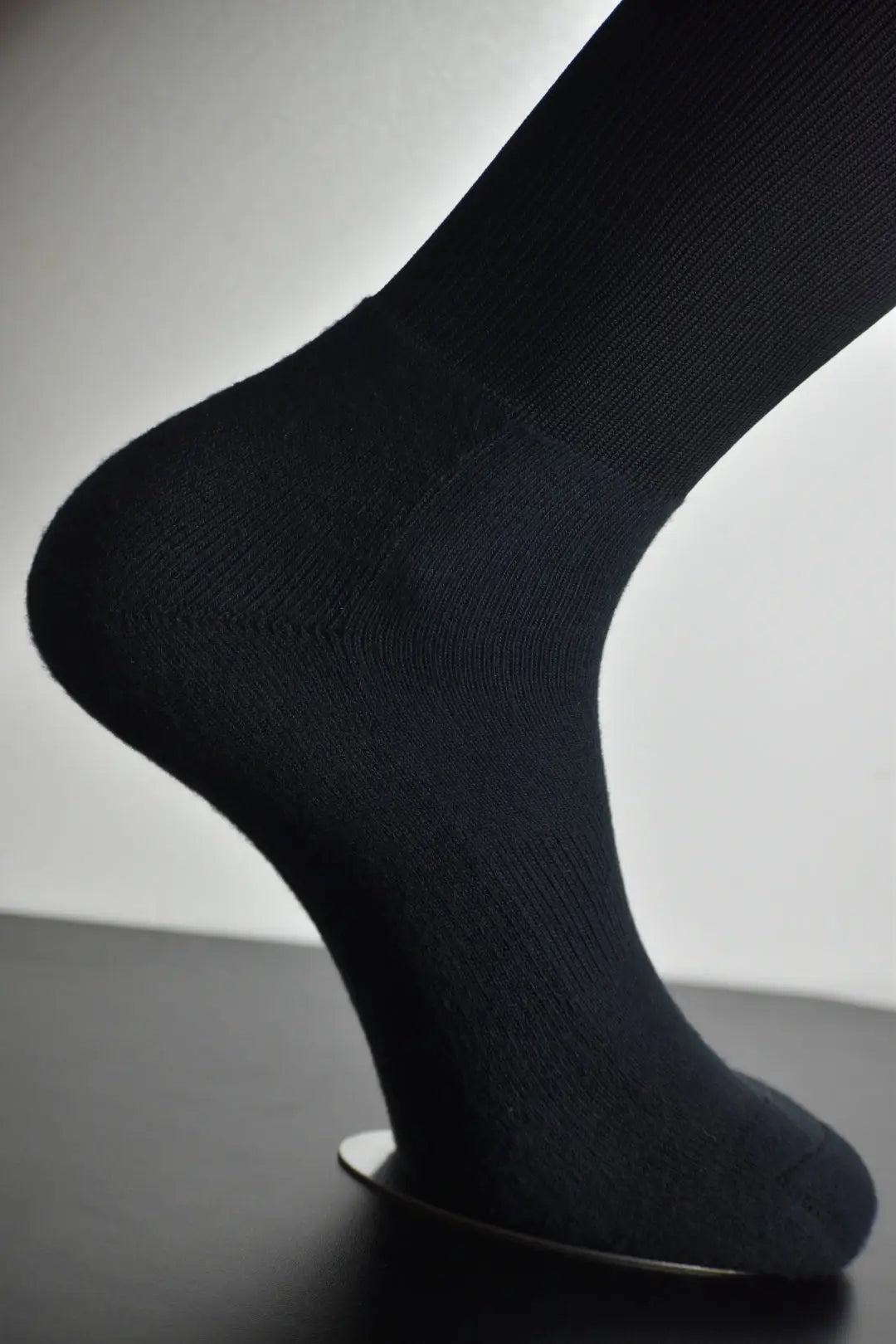
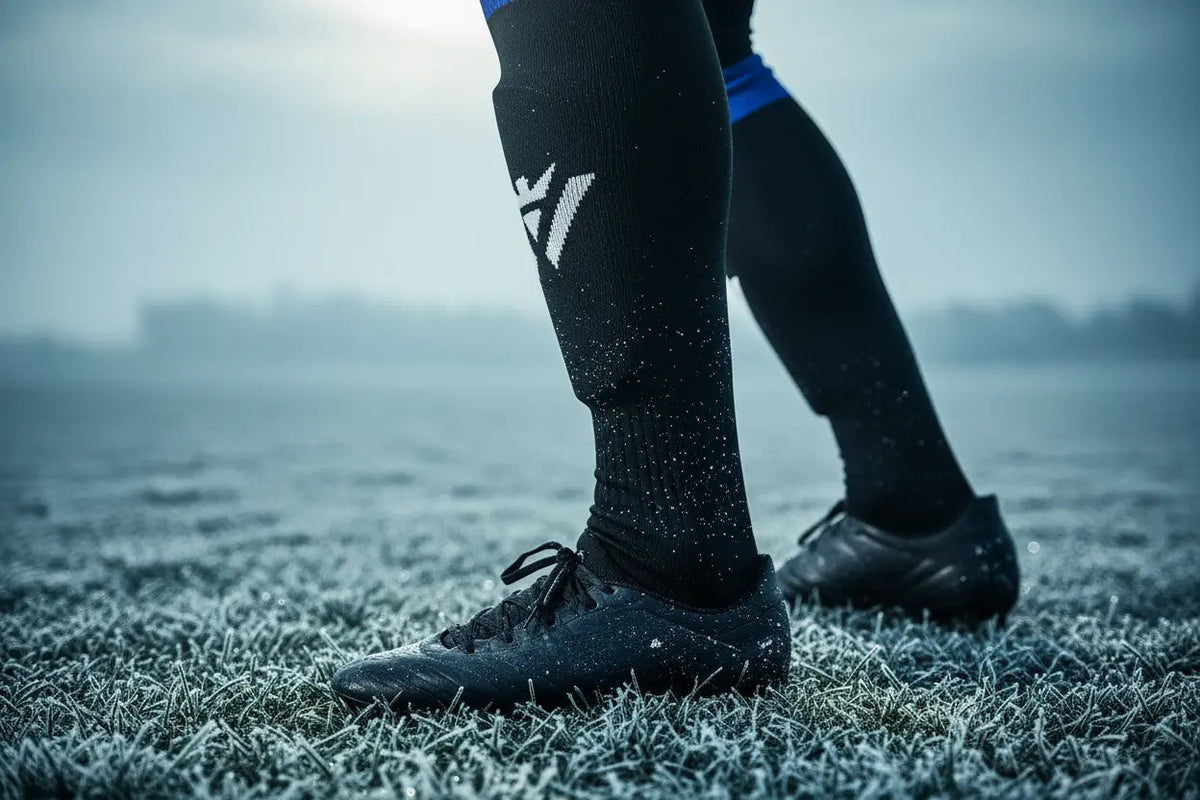
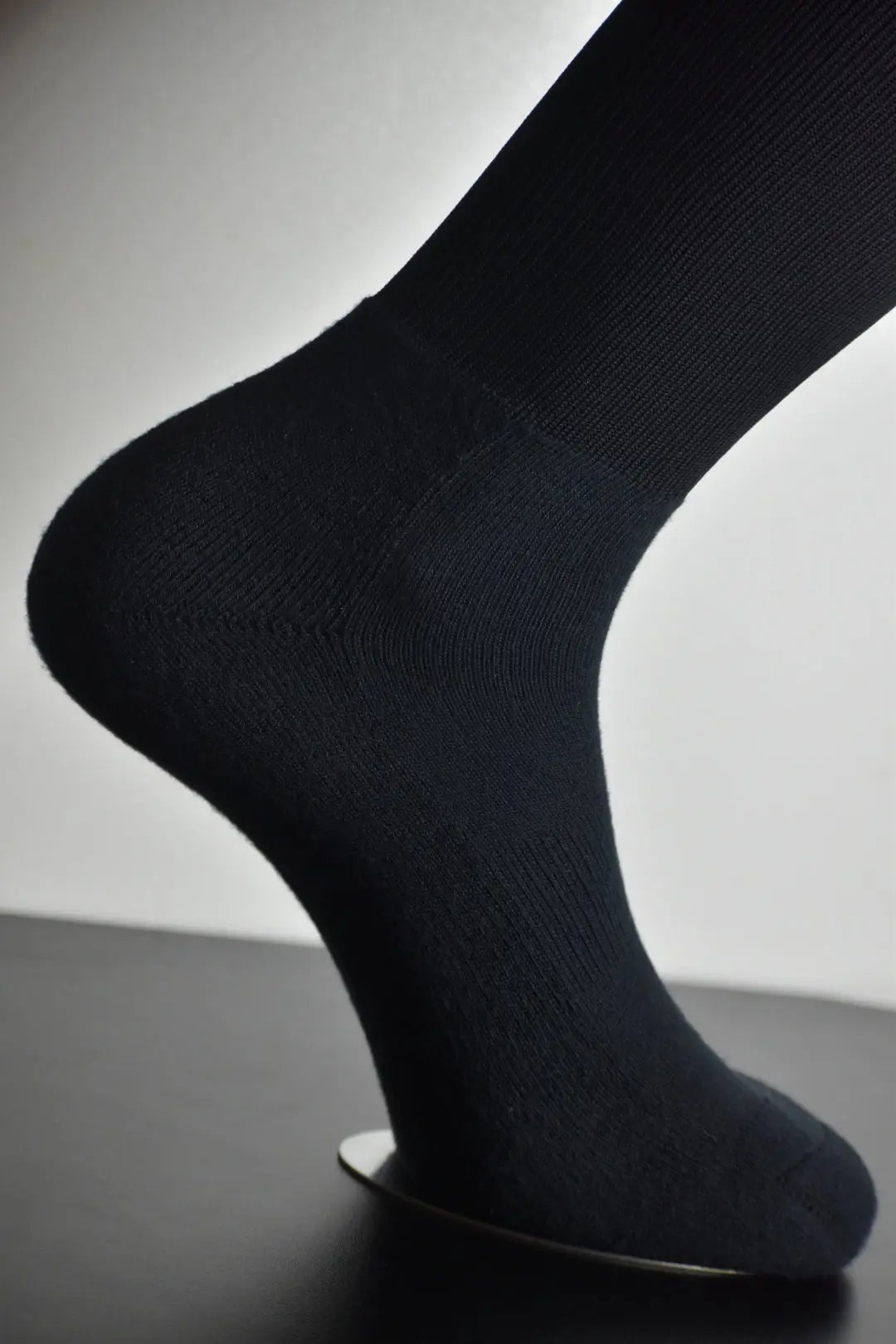
Moisture-wicking fabrics — like the Coolmax fiber used in WALY'S Coolmax Soccer Socks — use a capillary action mechanism to pull sweat away from the skin and push it toward the outer surface of the sock, where it can evaporate. The result: your foot stays drier, cooler, and more comfortable throughout the full match.
The Performance Difference
- Blister prevention: Dry skin has less friction against the cleat lining
- Temperature regulation: Evaporative cooling keeps foot temperature stable
- Compression support: WALY'S Coolmax pairs moisture-wicking with graduated compression to reduce muscle fatigue
- Lightweight feel: Less fabric bulk means better cleat sensitivity and touch
When to Prioritize Moisture-Wicking
Moisture-wicking socks are especially valuable in warm weather, high-intensity positions (forwards, wingers), and players who naturally run hot. If you're training in summer heat or playing on turf that radiates warmth, a sock like the Neon Volt Coolmax Edition isn't a luxury — it's a performance tool.
For players who prefer a more cushioned feel with moderate breathability, the WALY'S Comfort Hybrid offers a balanced option with its 80% cotton hybrid construction.
The Bottom Line
Your socks are the only thing between your foot and the ground. Investing in moisture-wicking technology is one of the simplest, most affordable performance upgrades a soccer player can make.
Keep Reading
- Comfort Hybrid vs. Coolmax: Which Soccer Socks Are Right for You? — side-by-side comparison to help you choose
- The Best Soccer Socks for Cold Weather Training — moisture management matters even more when it's cold